


Innova Corporate (India), an MSME & ISO 9001:2015 Certified Co. is specialized in the Manufacturing & Supplying of Ferric Chloride, Ferric Chloride Anhydrous.

Cationic Polyelectrolyte in Agartala

Ferric Chloride Anhydrous
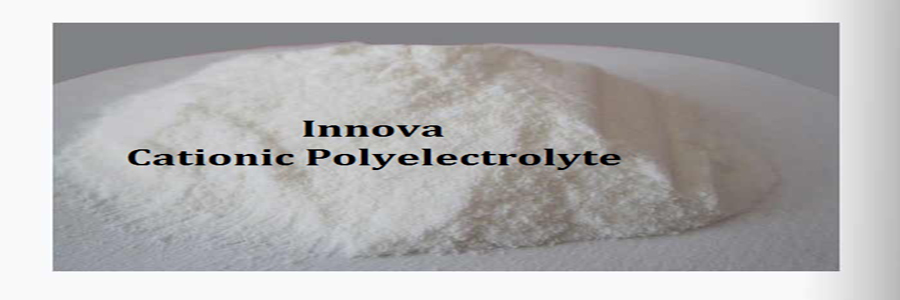
We are one of the major Importers, Suppliers, Exporters of Cationic polyelectrolyte in Agartala. Cationic Polyelectrolyte is a linear polymeric compound, because it has a variety of lively groups, affinity, adsorption and many substances forming hydrogen bonds. Mainly flocculation of negatively charged colloidal, turbidity, bleaching, adsorption, glue and other functions, for dyeing, paper, food, construction, metallurgy, mineral processing, coal, oil, and aquatic product processing and fermentation industries of organic colloids with higher levels of wastewater treatment, especially for urban sewage, sewage sludge, paper mill sludge and industrial sludge dewatering process.

Features

  • Water soluble, and can also dissolve completely in cold water.
  • dd a small amount of anionic polyelectrolyte products, you can receive a lot of flocculation effect. Just add 0.01~10ppm (0.01~10G/m3), to fully play its role.
  • while using the products and inorganic anion polyelectrolyte flocculant (polymerized ferric sulfate, polyaluminum chloride, iron salts, etc), you can display a greater effect.

unction Cationic polyelectrolyte, because it has:

  • purifying, clarifying roles;
  • subsidence promoter action;
  • filtration promoter action;.
  • thickening effect and its effects. In wastewater treatment, sludge dewatering, dressing, washing, papermaking and so on, can fully meet the various requirements in the field

Package & storage :

  • This product is non-toxic, moisture, rain, avoid sun exposure. Storage period: 2 years, 25/10kg paper bag (lined with plastic bags to stick the plastic paper bags outside).

Application in Wastewater Treatment Cationic Polyelectrolyte:

  • granular polyelectrolyte flocculant agent cannot directly in addition to sewage. It must first be dissolved in water before use, using its aqueous solution to wastewater treatment.
  • water should be clean, dissolving granular polymer (such as water), and cannot be a sewage. Water at room temperature, typically do not require heating. Water temperatures below 5 ° c are dissolved very slowly. Dissolved water temperature increase faster, but more than 40 ° c causes the accelerated degradation of polymers, effect using the effect. Tap water is suitable for the preparation of polymer solution in General. Strong acid, alkali, salt-laden water is not fit for the preparation.
  • selection of polymer solution concentration, company recommends to 0.1% per cent, that is, 1 liter of water and 1g-3G in polymer powder. Polyelectrolyte concentration options to take into account the following factors: Preparation tank is small and large amount of medication every day, proposed grading of slightly dense (such as 0.3%). Polymer molecular weight is high, slightly dilute some of the proposed distribution (such as 0.1%). In polymer solutions into the sewage, such as dispersed when the situation is not very good for equipment reasons, recommends slightly dilute some of the distribution. In short, polymer concentration too large will cause agitator motor load is too large, can also cause after entering the water dispersing condition is not good, affect the results. Worthy of dilute some help to increase the effect.